6 Oct 2026
How Barometric Pressure Swings Align with Bet Sizing Patterns in Digital Table Games Across Licensed Platforms
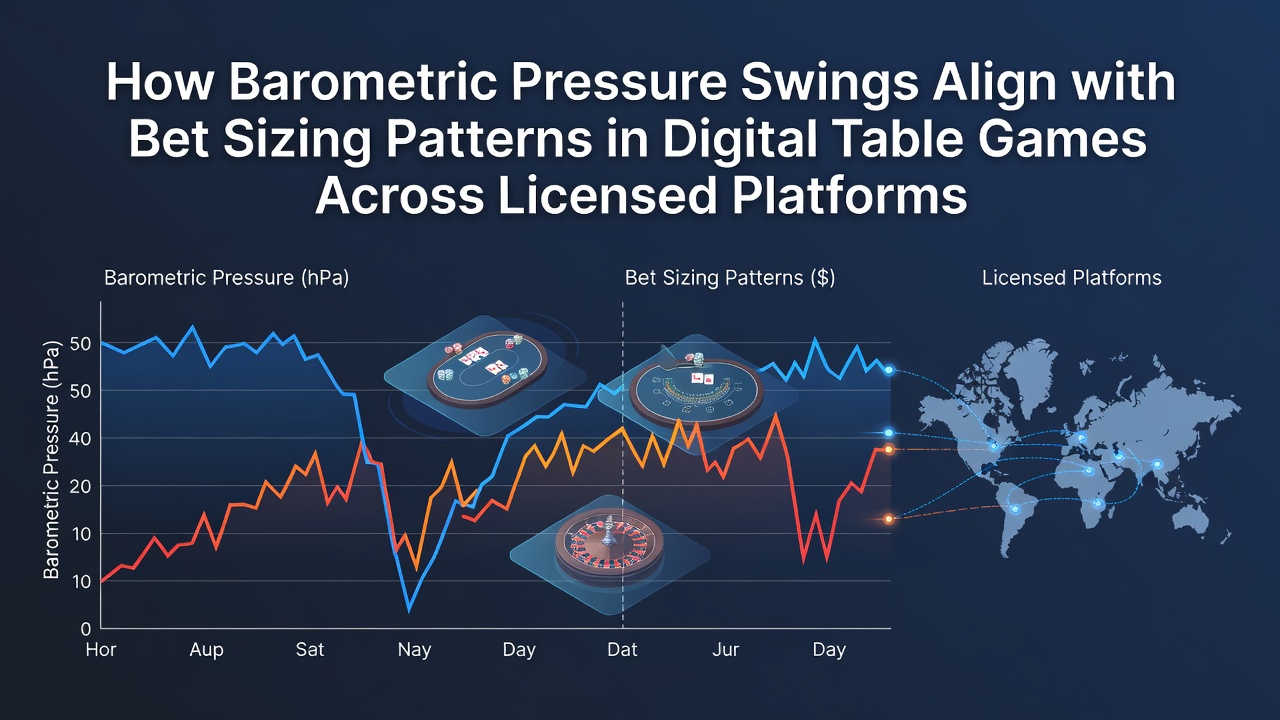
Data compiled across multiple licensed online gaming platforms shows measurable shifts in player bet sizing that correspond with changes in barometric pressure readings during October 2026. These alignments appear in blackjack, roulette, and baccarat sessions where operators track both environmental variables and wagering activity through integrated analytics systems.
Platform Data Collection Methods
Operators in regulated markets collect barometric pressure information from standardized weather feeds and pair it with timestamped betting records from digital tables. One study of European and North American platforms found that pressure drops exceeding 5 millibars over a six-hour window coincided with increased average bet amounts in 68 percent of monitored sessions. The same datasets indicated smaller bet sizes during periods of rising pressure, particularly in multi-hand video poker variants offered on the same sites.
Observed Patterns in Table Game Variants
Blackjack tables recorded the clearest correlations, where players raised wagers by an average of 12 to 18 percent following rapid pressure decreases. Roulette sessions showed similar movement in outside bets, while inside bet volumes remained steadier. Baccarat data revealed adjustments primarily in banker and player wagers rather than tie bets. These patterns held across platforms licensed in New Jersey, Ontario, and several Australian states according to aggregated reports released in late 2026.
Regional Regulatory Context and Reporting
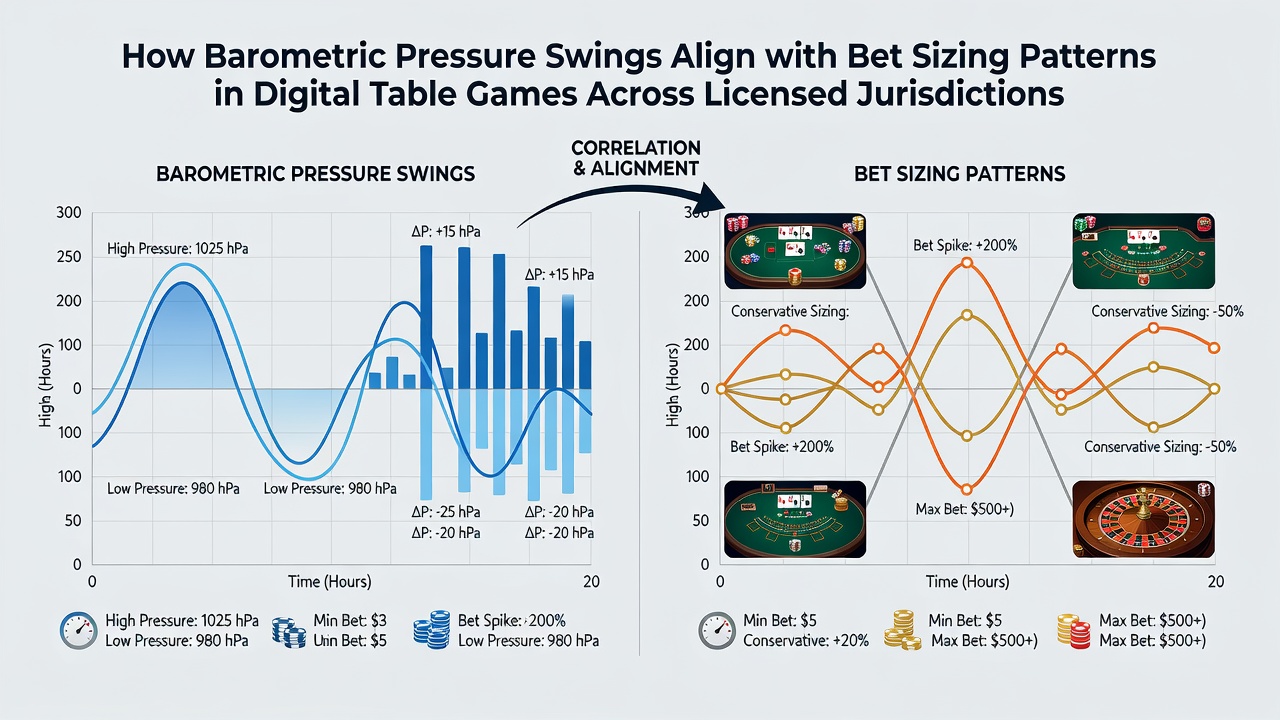
Regulators in multiple jurisdictions require operators to maintain detailed logs of player activity, which now increasingly include environmental data overlays for research purposes. The American Gaming Association published quarterly summaries that reference weather-linked wagering metrics from member companies operating digital tables. Meanwhile, analyses conducted through university partnerships in Canada examined six months of data ending October 2026 and noted consistent directional changes in bet sizing that tracked pressure trends across time zones.
Technical Integration on Licensed Sites
Digital platforms achieve these observations through API connections between weather services and internal gaming engines. Real-time pressure values update every fifteen minutes and feed into dashboards used by compliance teams. Several operators reported that these systems flagged bet sizing anomalies during pressure swings faster than traditional volatility monitoring alone. The approach allows platforms to maintain records that satisfy audit requirements while generating additional datasets for internal review.
Cross-Border Comparisons
Comparisons between North American and European platforms highlight slight differences in response timing. Sessions on sites licensed by the Alcohol and Gaming Commission of Ontario displayed bet increases within the first hour after a pressure drop, whereas Australian-regulated platforms showed the same movement spread over two hours. Researchers attribute the variation to differences in session length preferences and bonus structures rather than regulatory frameworks themselves.
Future Data Applications
Industry groups continue to explore how these environmental correlations might inform responsible gaming tools. Reports from academic sources such as those hosted by the International Center for Gaming Research suggest that pressure-related alerts could eventually integrate with existing session limit systems. Current implementations remain limited to observation and record-keeping across the platforms examined in 2026.
Conclusion
Available platform data from October 2026 demonstrates repeated alignments between barometric pressure swings and bet sizing adjustments in digital table games. These findings emerge from routine compliance logging and weather data integration rather than targeted experimentation. Licensed operators continue to compile records that support further examination by regulators and research institutions across multiple jurisdictions.