8 Sep 2026
How Loyalty Tier Thresholds Reshape Variance Controls When Shifting Between Slot Volatility Profiles and Live Table Minimums Under Staggered Settlement Windows
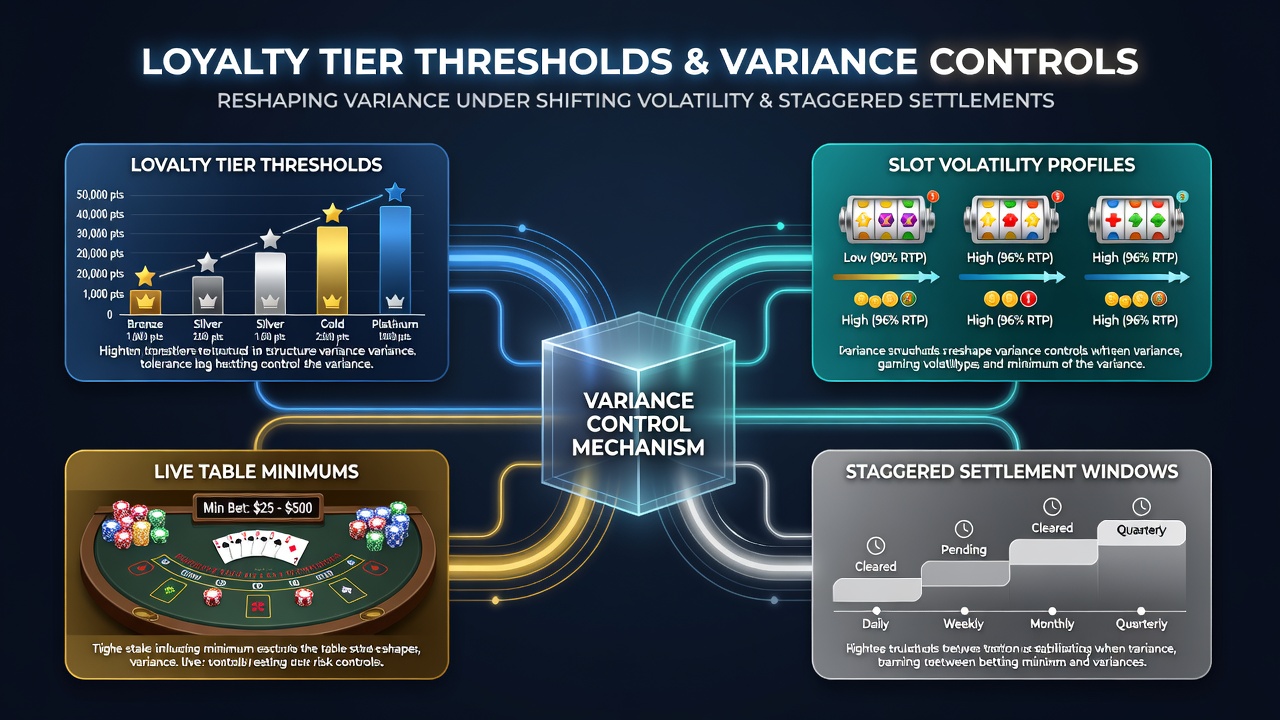
Data from multiple gaming jurisdictions shows that loyalty tier thresholds directly influence how operators adjust variance parameters when players transition between high-volatility slot profiles and lower-stakes table games under staggered settlement schedules. These systems track accumulated play points against fixed thresholds that unlock altered risk parameters, including modified hit frequencies and adjusted minimum bet requirements.
Loyalty Structures and Their Impact on Volatility Management
Operators segment player accounts into tiers based on cumulative wagering volume, with each level triggering recalibrations in variance controls that affect both reel-based games and live dealer tables. Research from the Nevada Gaming Control Board indicates that mid-tier thresholds often coincide with reductions in effective volatility for slot machines, while simultaneously permitting access to table minimums that sit below standard floor rates during specific settlement windows.
Players crossing into higher tiers encounter automated adjustments where slot volatility profiles shift from elevated standard deviation models toward more compressed outcome distributions, and these changes align with staggered payout processing cycles that release funds in phased increments rather than immediate lump sums. Figures from the New Jersey Division of Gaming Enforcement reveal consistent patterns where tier advancements correlate with extended settlement timelines that allow variance smoothing across multiple game types.
Slot Volatility Profiles Under Tier Adjustments
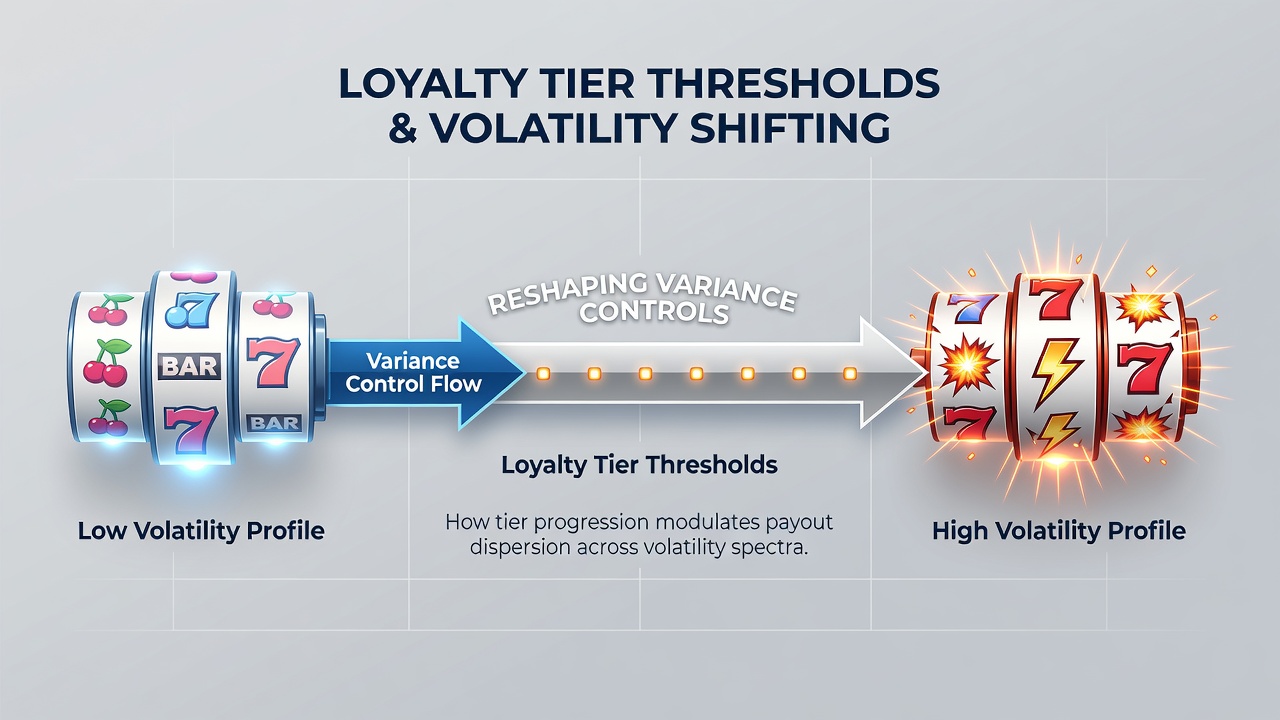
High-volatility slots typically feature wider payout distributions with lower hit rates on major wins, yet loyalty systems apply threshold-based modifiers that compress these distributions once players reach designated point milestones. This reshaping occurs through backend algorithms that alter reel weighting and bonus trigger frequencies without changing the published return-to-player percentages.
Observers tracking September 2026 activity across major U.S. properties note that tier-driven volatility reductions become most pronounced during periods when staggered settlement windows overlap with promotional periods, creating temporary environments where players experience steadier return sequences on machines that would otherwise display higher swing characteristics. Industry reports from the Canadian Gaming Association document similar mechanics in cross-border operations where multi-currency settlement delays further influence how variance controls recalibrate.
Live Table Minimums and Settlement Timing Interactions
Live table games operate under minimum bet requirements that loyalty tiers can modify through access to private or semi-private pits with lowered entry points. These modifications integrate with staggered settlement frameworks where chip redemptions and marker settlements process across multiple time blocks rather than single transactions.
Evidence from the Australian Communications and Media Authority shows that players advancing through loyalty thresholds gain eligibility for table minimum reductions that align with settlement windows spanning several hours, allowing variance from earlier slot sessions to offset against table play outcomes processed later in the cycle. Such alignments reduce the immediate impact of bankroll fluctuations that would otherwise arise from rapid shifts between game categories.
Cross-Game Transitions and Phased Controls
Shifting between slot volatility profiles and table minimums requires operators to maintain synchronized control layers that respect both tier thresholds and settlement phasing. One documented case from a multi-property operator in the Midwest United States demonstrated how a player crossing a silver-tier threshold received simultaneous access to reduced-volatility slot configurations and lowered blackjack minimums, with all activity settled through a three-window schedule that separated wins, losses, and comp redemptions into distinct processing periods.
Additional data compiled by the Malta Gaming Authority highlights that staggered windows prevent simultaneous settlement spikes that could otherwise amplify variance when players move rapidly across game types. The mechanism ensures that variance controls recalibrate at each threshold crossing before the next settlement block activates, maintaining stability across the player session lifecycle.
Conclusion
Threshold-driven loyalty systems continue to integrate variance management tools with settlement timing across slot and table environments. Regulatory filings and operational data confirm these interactions occur through automated recalibrations that respond to accumulated play metrics while respecting phased processing schedules, producing measurable effects on how variance distributes across different game categories during September 2026 and beyond.