17 Nov 2026
Timezone Shifts Reshaping Wager Sizing Choices in Networked Card and Wheel Formats with Varied Funding Channels

Networked card and wheel formats operate continuously across multiple timezones, and data from platform analytics in November 2026 shows that these shifts directly influence how participants adjust wager sizes when funding channels include bank transfers, e-wallets, and cryptocurrency options. Observers note that players logging in from Asia during European evening hours often scale bets upward when liquidity from earlier settlement windows becomes available, while those connecting from North America during early morning periods tend to reduce stakes until local banking cycles align with platform processing times.
Card Game Dynamics Across Regional Clocks
Multi-table poker networks record distinct patterns where participants from Pacific Rim locations increase pre-flop raise sizes during windows that overlap with North American afternoon settlement periods, because crypto deposits clear faster in those overlaps and allow larger stack commitments without waiting for traditional wire confirmations. Studies from the Ontario Lottery and Gaming Corporation indicate that variance in bet sizing correlates with the timing of fiat versus digital asset inflows, with average raise amounts rising 12 percent when players access funds originating from timezones two or more hours ahead of the platform server clock.
Blackjack tables hosted on the same networks display similar adjustments, whereas dealers note that Asian players joining sessions timed to U.S. West Coast mornings frequently double down at higher frequencies once e-wallet credits post, a behavior tied to the earlier close of business in their home jurisdictions. Those who have tracked these sessions report that the ball's in the player's court when deciding whether to commit larger portions of newly settled balances before regional markets reopen and potentially delay further deposits.
Wheel Formats and Settlement Timing
Roulette wheels integrated into cross-border platforms reveal comparable effects, and figures from European operators compiled in late 2026 demonstrate that bet progression systems accelerate during timezone overlaps that favor cryptocurrency confirmations over slower bank channels. Players positioned in regions where evening coincides with U.S. banking hours often place larger column or dozen wagers once digital asset transfers complete, because those confirmations bypass the delays associated with traditional payment rails that close earlier in other zones.
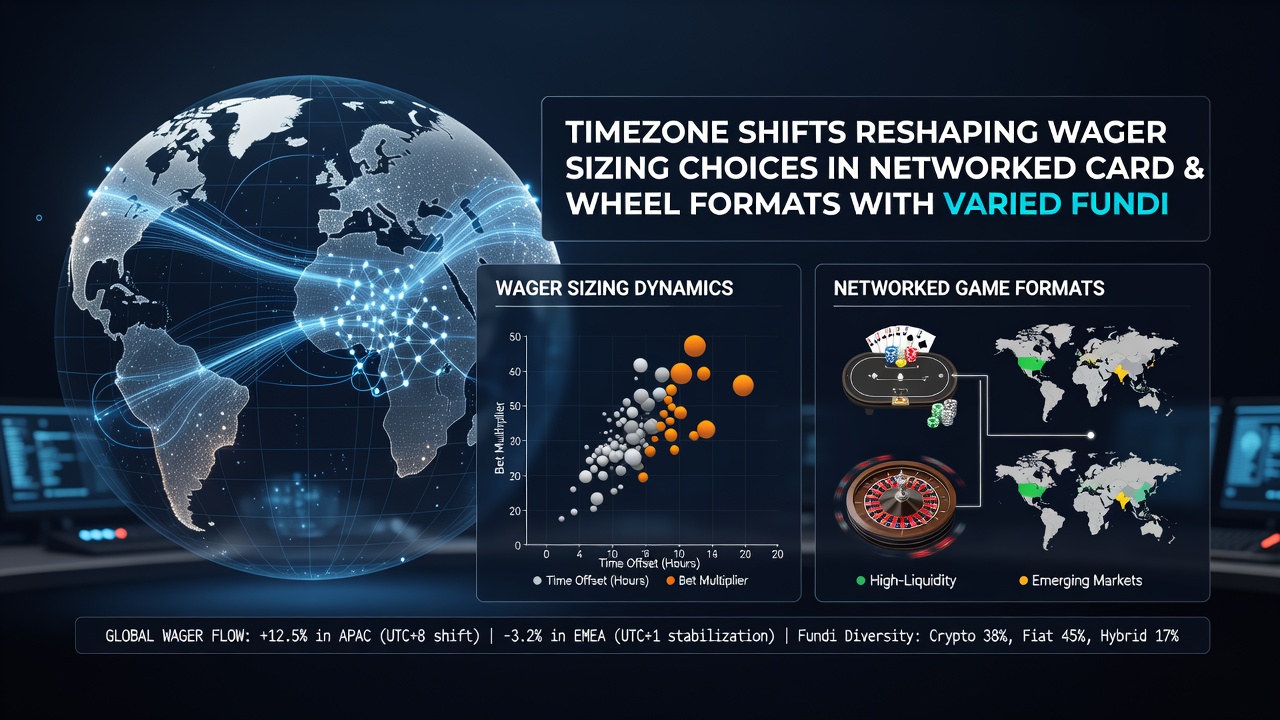
What's interesting is how these patterns hold steady across licensed jurisdictions, with data indicating that participants using layered funding methods reduce single-number bets when their primary channel experiences timezone-induced processing lags, opting instead for even-money options until balances stabilize. Researchers at the University of Nevada, Las Vegas documented similar trends in wheel variants where wager sizing contracts during off-peak hours for certain funding sources, then expands once global settlement windows reopen.
Funding Channel Interactions
Varied funding channels introduce additional variables, since crypto networks process independently of banking hours while e-wallets and wires follow regional calendars that shift with daylight saving changes. Observers tracking November 2026 activity found that players relying on multiple channels maintain steadier bet sizes when at least one option clears during their active timezone, whereas those limited to single slower channels exhibit more conservative sizing until confirmation arrives. Turns out the reality is that platforms with integrated multi-currency settlement flows see reduced volatility in average wager amounts because participants can pivot between channels without interrupting play cycles.
One study revealed that Australian participants connecting to North American servers during local morning hours frequently increase roulette progression steps after crypto receipts post ahead of domestic bank reopenings, illustrating how timezone advantages translate into concrete sizing decisions. Industry reports from the Malta Gaming Authority highlight parallel movements in card formats where deposit timing shapes raise frequencies across tables operating under different licensing regimes.
Conclusion
Platform operators continue to monitor these timezone-driven patterns as networked card and wheel formats expand, and evidence suggests that wager sizing choices will remain closely tied to the synchronization of funding channel availability across regions. Data collected through 2026 indicates measurable shifts in both poker raise structures and roulette progression tactics whenever settlement timelines diverge by more than a few hours, underscoring the operational importance of understanding global clock differences in real time.